Heavy rainfall presents significant challenges for residential roofingsystems. Persistent water exposure accelerates deterioration andincreases leak potential in vulnerable structures. Regionalprecipitation patterns dictate specific material requirements and design considerations. Homeowners in high-rainfall areas face distinctconstraints compared to those in drier climates. The right roofingchoice balances water-shedding capability, durability, and maintenancedemands. Several proven options exist for wet-climate protection, eachwith specific advantages depending on budget and architecturalrequirements.
Understanding the Challenges of Roofing in High Rainfall Regions
While homeowners in regions with minimal precipitation may focus onother roofing concerns, those in high rainfall areas face unique andpersistent challenges that demand specialized roofing solutions. Heavyrain can cause significant damage through various mechanisms, includingseepage through compromised areas and drainage system overload.
Insufficient drainage leads to water pooling, while inadequatematerials accelerate deterioration through curling, cracking, ordisplacement of roofing components. The constant moisture creates idealconditions for mold and algae proliferation, particularly in places like the Pacific Northwest. Over time, untreated water infiltrationcompromises structural integrity.
Environmental factors compound these issues, with wind and stormsoften accompanying downpours. Regional variations further complicatematters, as hurricane-prone areas require systems capable ofwithstanding both extreme precipitation and high winds. These challenges necessitate careful consideration of design, materials, and professional roofing installation.
Top Roofing Materials That Excel in Heavy Rain Conditions
Selecting appropriate roofing materials stands as the primary defense against the rainfall challenges previously outlined. Five optionsconsistently demonstrate superior performance in high precipitationenvironments.
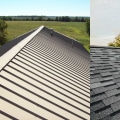
Asphalt shingles offer an economical solution with effectivewater-shedding capabilities through their overlapping design. Metalroofing provides exceptional longevity (40-70 years) with seamless water resistance and minimal maintenance requirements. Slate represents apremium option, delivering unparalleled durability for up to a centurydespite its significant weight and cost.
Clay and concrete tiles combine aesthetic appeal with excellentweather resistance, though they become heavier when saturated. Composite tiles present a balanced alternative, offering improved durability over asphalt while remaining more affordable than natural materials likeslate.
Each material presents distinct advantages regarding installationcosts, maintenance requirements, and environmental impact that must beweighed against regional rainfall patterns.
The Critical Role of Roof Shapes and Designs for Water Drainage
Beyond material selection, a roof's shape and design play fundamental roles in determining its ability to withstand heavy rainfall. Steeperpitches facilitate more efficient water shedding, greatly reducingpooling risks and potential structural damage. While flat roofs remainvulnerable to accumulation, proper internal drainage systems canmitigate these concerns.
In high-precipitation regions, roof geometry must work harmoniouslywith appropriately sized drainage components. Siphonic systems excel inhandling large water volumes, while scupper drains perform effectivelyin windy conditions. For colder climates, internal drainage prevents ice buildup complications.
Green roof implementations can buffer rainfall intensity, reducingpeak loads on sewage systems during downpours. Regardless of designchoice, regular maintenance remains essential for system longevity, andall installations must comply with local building codes calibrated toregional weather patterns.
Comparing Durability and Maintenance Requirements in Wet Climates
When evaluating roofing options for regions experiencing heavyrainfall, durability and maintenance requirements become paramountconsiderations that directly impact long-term performance andcost-effectiveness. Metal roofing stands out with its 40-70 yearlifespan and minimal maintenance needs due to rust-resistant coatingsand water-shedding properties. Slate tiles offer superior longevity butrequire occasional sealing to maintain water resistance.
Though less durable, properly installed asphalt shingles provideeffective protection when regularly inspected for secure fastening anddamage. Tile roofing demands consistent cleaning to prevent degradationfrom debris buildup. Across all materials, proper ventilation remainsessential for preventing moisture accumulation that compromisesstructural integrity. The highest-performing materials in wet climatesdemonstrate exceptional resistance to water penetration, wind damage,and freeze-thaw cycles—characteristics that justify their higher initial investment through reduced long-term maintenance costs.
Cost Analysis: Long-Term Value of Rain-Resistant Roofing Options
While asphalt shingles offer the lowest initial investment at $1-$4per square foot, rain-resistant options like metal and slate roofingdeliver superior long-term value despite higher upfront costs of $5-$12and $15-$30 per square foot, respectively. Metal roofing's 40-70 yearlifespan and slate's exceptional 75-200 year durability noticeablyreduce replacement frequency compared to asphalt's 15-30 year lifecycle, impacting total ownership costs. The return on investment for premiumroofing materials becomes apparent in heavy rain regions where weatherresistance minimizes repair expenses and extends functional performancebeyond multiple asphalt replacement cycles.
Initial vs. Lifetime Costs
The financial calculus of roofing decisions extends far beyondinitial purchase price, particularly in heavy rain areas wheredurability directly impacts long-term value. While asphalt shinglesoffer the lowest upfront costs, their relatively short 15-30 yearlifespan necessitates multiple replacements over time, increasing totalexpenditure.
Metal roofing presents a balanced proposition—higher initialinvestment offset by 50+ years of performance with minimal maintenance.Clay/concrete tiles and synthetic options occupy the middle ground inlifetime value equations. Slate roofing, despite commanding the highestinitial investment and repair costs, ultimately delivers superioreconomic efficiency through its century-long lifespan.
A thorough cost analysis must consider installation complexity,maintenance requirements, and replacement frequency—factors thatfrequently invert the apparent affordability hierarchy established bypurchase price alone.
Return on Investment
Calculating the return on investment for rain-resistant roofingtransforms abstract discussions of lifetime value into concretefinancial metrics. Metal roofing consistently delivers superior ROI inprecipitation-heavy regions, with homeowners benefiting from increasedresale values and significant energy savings through reflectiveproperties that reduce cooling costs.
Impact-resistant materials qualify many homeowners for insurancepremium discounts, further improving financial returns. Metal's 40-70year lifespan eliminates multiple replacement cycles typically requiredwith standard asphalt systems. The seamless integration capability withsolar panels provides additional value appreciation potential.
While metal roofing's initial investment averages $17,762, itsminimal maintenance requirements, storm resistance, and recyclabilitycreate compounding financial benefits that outperform conventionalroofing in high-precipitation environments. These factors explain the35% surge in metal roofing demand from 2024 to 2025.
Balancing Weather Protection With Environmental Impact and Safety
When selecting roofing for heavy rainfall areas, homeowners shouldconsider options that provide ideal protection while minimizingenvironmental impact. Fire-resistant materials like metal and tile notonly withstand intense weather conditions but also offer added safetyduring storms that may bring lightning strikes. Implementing sustainable drainage solutions, such as properly designed gutter systems pairedwith recyclable roofing materials, creates an effective defense againstwater damage while supporting ecological responsibility.
Eco-Friendly Weatherproofing Options
Homeowners facing persistent heavy rainfall need not choose betweeneffective weatherproofing and environmental responsibility. Severaleco-friendly options provide excellent protection while minimizingecological impact.
Mineral-based waterproofing materials like bentonite clay sheets andcrystalline concrete treatments offer natural alternatives with lowemissions profiles. Bio-based membranes utilizing plant-derived polymers represent a sustainable shift from petroleum-based products. Advancedliquid-applied systems provide seamless protection with reducedenvironmental footprint.
Self-healing membranes containing reactive microcapsules autonomously repair small cracks upon water exposure, extending product lifespan.When integrated with green roof systems, specialized root-resistantbarriers protect building integrity while supporting vegetation thatmanages stormwater and reduces urban heat islands.
Many municipalities now offer incentives for sustainablewaterproofing installations, making eco-conscious choices increasinglyeconomical. Look for products with GREENGUARD or Cradle to Cradlecertifications.
Fire-Resistant Rain Barriers
Beyond eco-friendly waterproofing, fire resistance forms a criticaldimension of thorough roof protection, particularly in regions facingboth heavy rainfall and fire hazards. Modern roofing materials balancethese dual threats through innovative technologies and materialsengineering.
Class A fire-rated materials like metal roofing, clay tiles, andconcrete offer superior protection while withstanding intenseprecipitation. Many homeowners select synthetic composites which combine recyclability with enhanced safety profiles. These materials, whenpaired with specialized fire-resistant underlayment, create extensiveprotection systems that may qualify properties for reduced insurancepremiums.
- Metal roofing with reflective coating shedding water while reflecting intense heat
- Clay tiles arranged in overlapping patterns creating impenetrable barriers
- Synthetic composite shingles with textured surfaces repelling rain
- Concrete tiles with integrated drainage channels directing water flow
- Advanced underlayment systems forming secondary moisture and fire barriers
Sustainable Drainage Solutions
While traditional roofing systems prioritize water shedding,sustainable drainage solutions integrate environmental stewardship witheffective weather protection. Green roofs represent a premier option,retaining 70-90% of summer runoff while supporting biodiversitypreservation.
Permeable surfaces markedly reduce urban runoff—by up to 80%—allowing rainwater infiltration that recharges groundwater rather thanoverwhelming drainage systems. Implementing rainwater harvesting systems provides dual benefits: flood mitigation during heavy rainfall and cost savings through water reuse.
These solutions offer substantial economic advantages, includingreduced maintenance requirements and increased property values. Theincorporation of natural filtration systems like marshes furtherenhances water quality while preventing pollution. For heavy rain areas, sustainable drainage approaches provide adaptive resilience againstintensifying weather patterns while delivering long-term environmentaland infrastructure benefits.
In high rainfall regions, selecting appropriate roofing requiresconsideration of material durability, design efficiency, and drainagecapabilities. Metal roofing systems with rust-resistant coatings present ideal performance characteristics, while steeper pitch designseffectively facilitate water shedding. Property owners must evaluateinitial investment against long-term maintenance requirements,ultimately prioritizing systems that deliver sustained weatherresistance and structural integrity under persistent precipitationconditions.